
Rilly-la-Montagne
Rilly-la-Montagne, Champagne
At the start I was out in the vines, and that was incredible, mostly because it meant getting to meet the whole team and actually get to know everyone. Then around day two and a half I got moved into the winery instead, and I've done a bit of everything since, inoculations, feeding the wine, cleaning tanks. It's just amazing.
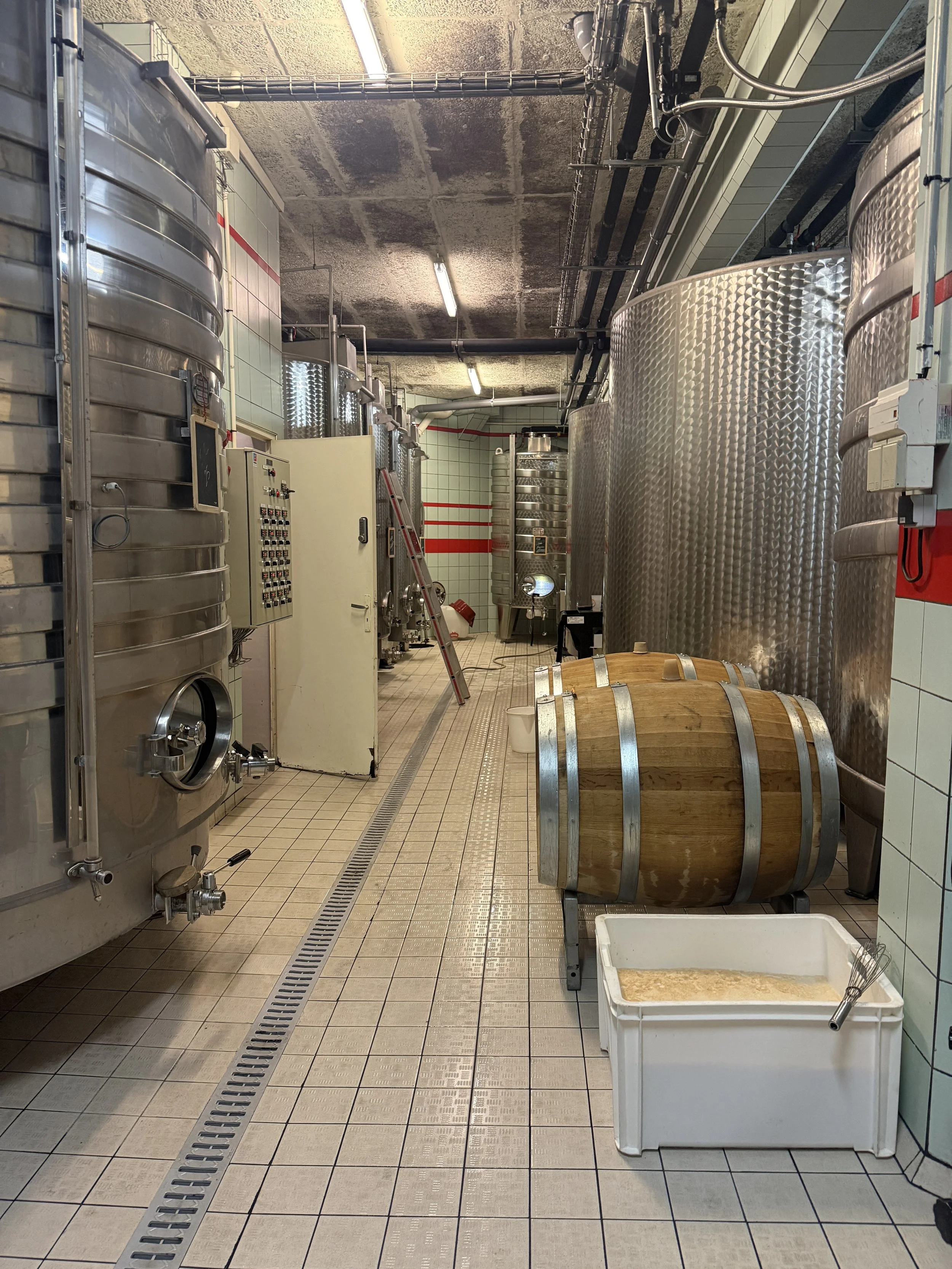
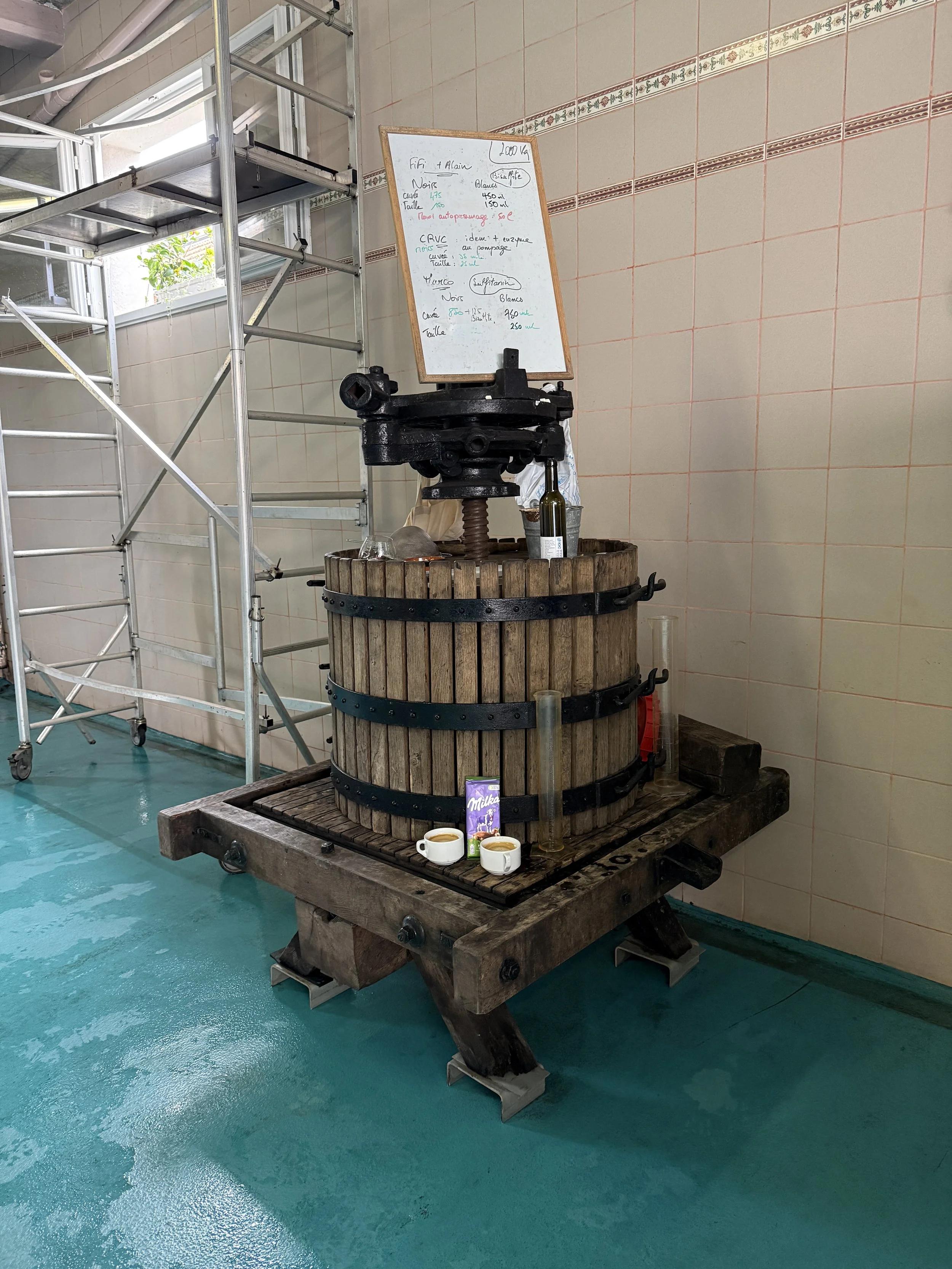
Jules and I have been chatting a lot about how things are done here, and the thing that keeps coming up is that they don't use any detergent at all. It's all done by water. Quality, quality, quality, keeping the wine clean and fresh, that's the whole point of it. The presses get left full overnight and restarted fresh in the morning, nobody's cleaning a press at ten at night, that's Champagne time for you.
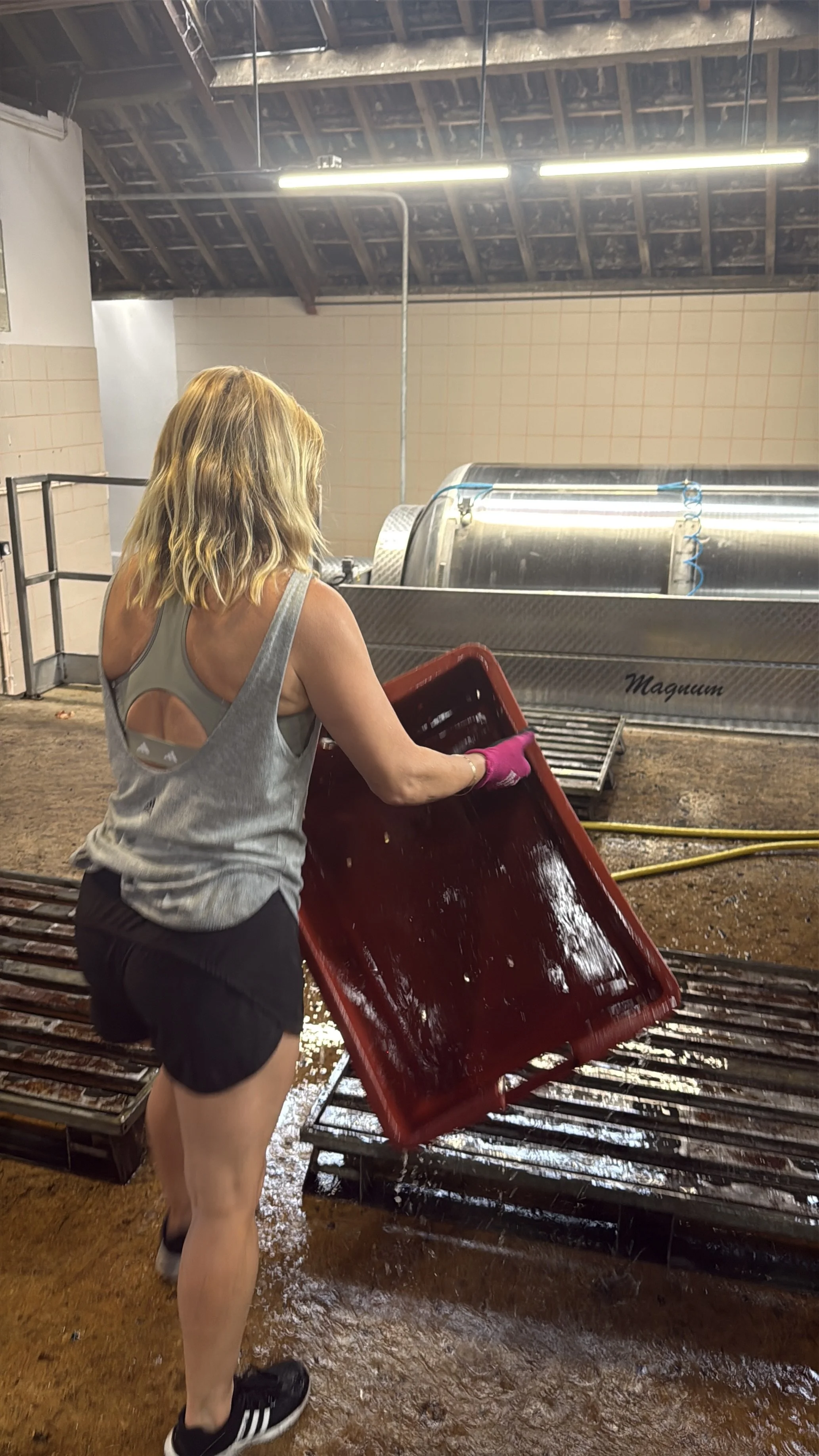
First job of the day is always the same, everything gets water blasted, the presses, the floor, the tanks, all of it. That's the precision that you need to make quality champagne, keeping things clean from the floor to the handles, everything. The systems that are in place are there for a reason. You've got to be quick on your feet when you're on, I wasn't moving the containers fast enough one day and got told to move a bit quicker, but they were pretty bloody heavy.
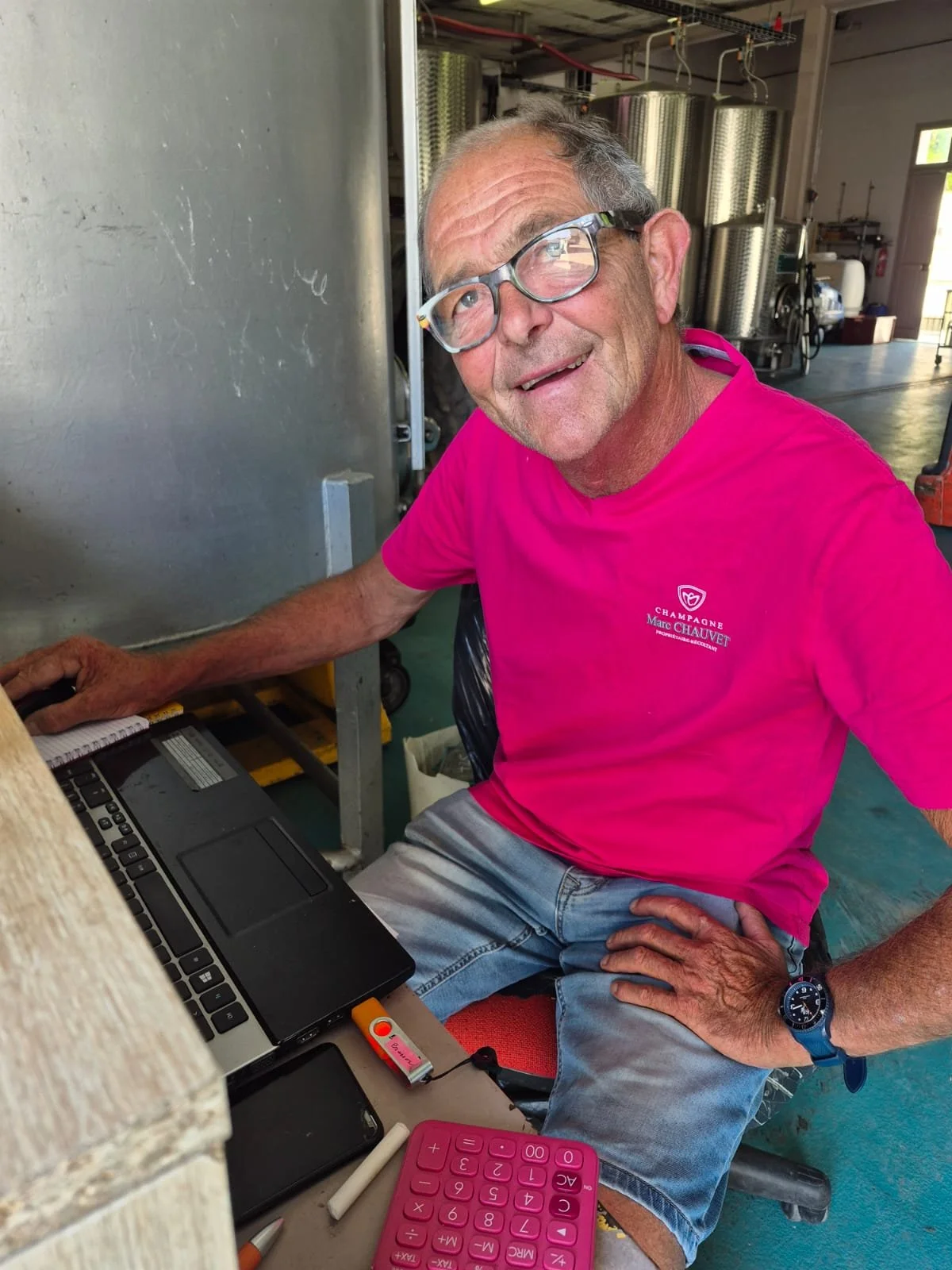
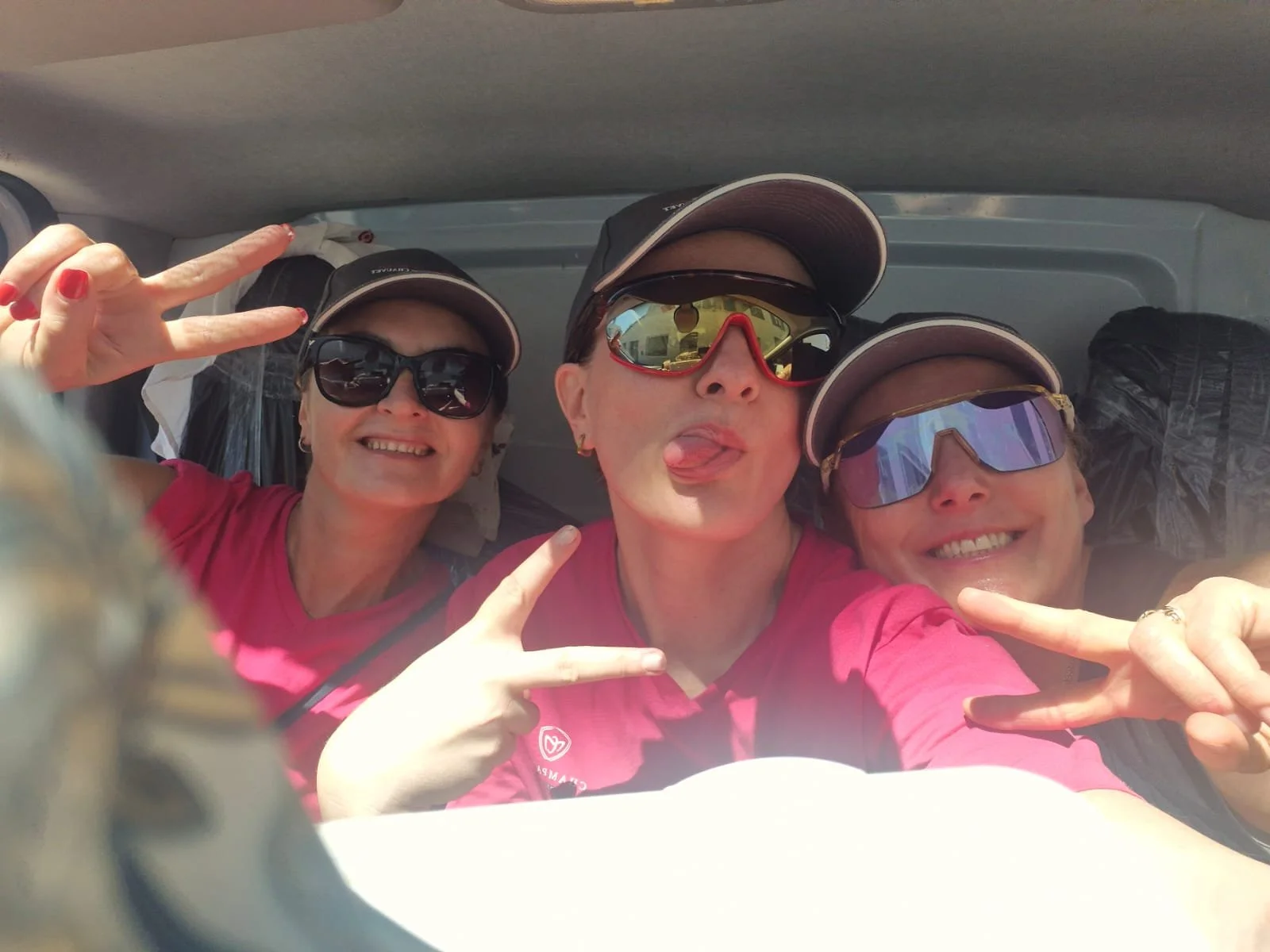
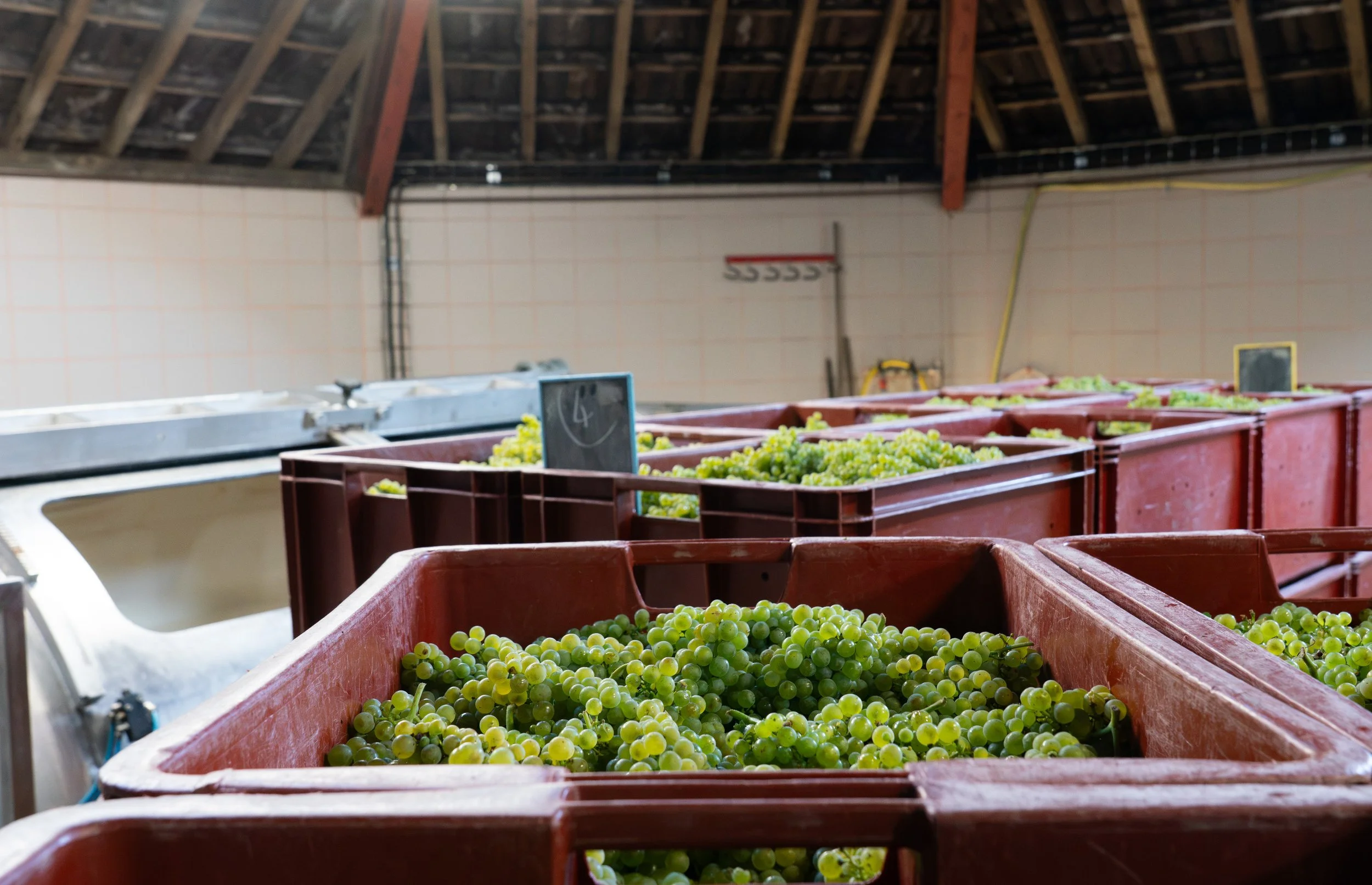
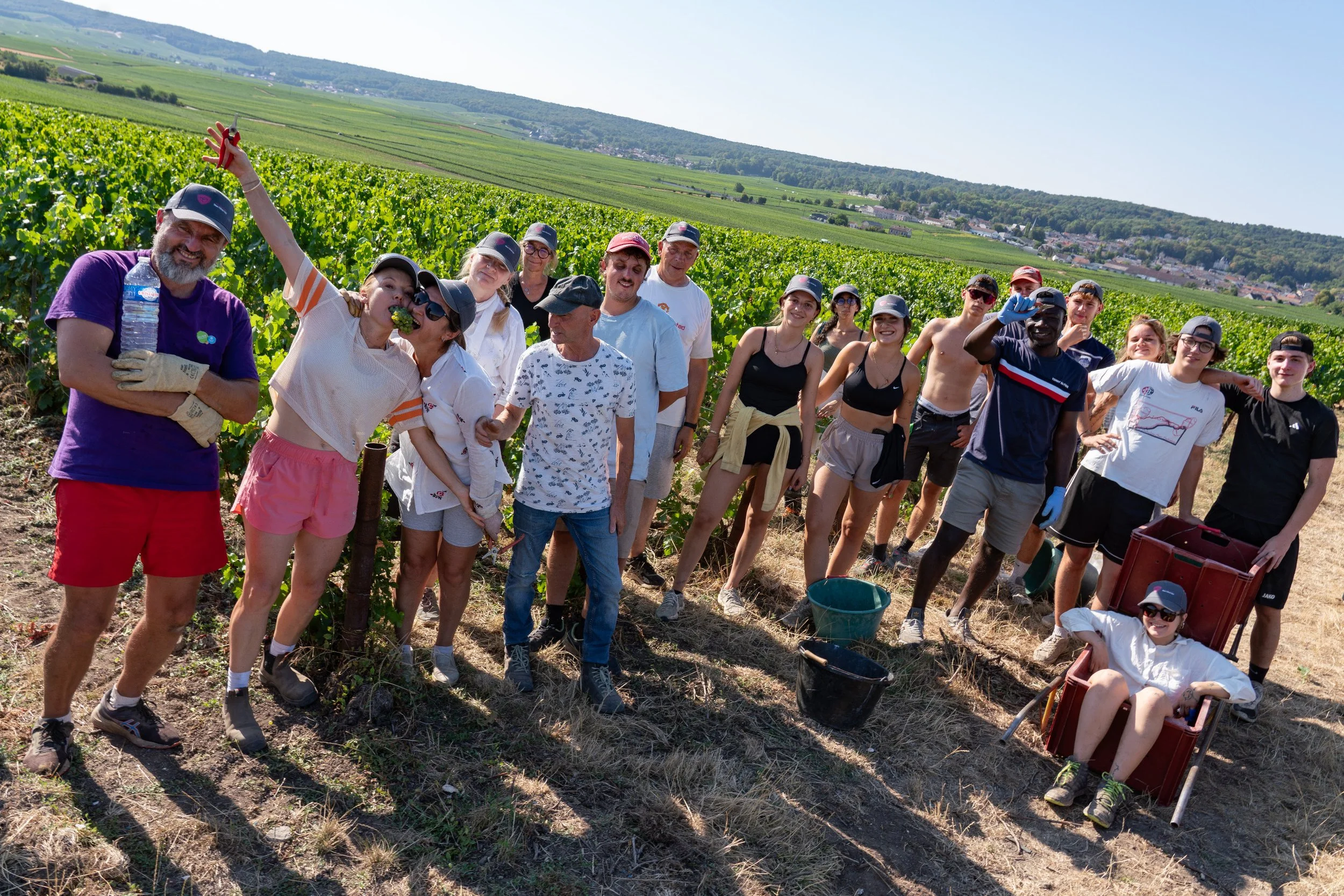
It also means the winery team comes in a bit later than the pickers, who are already out in the vines by the time we start. I've made some amazing friends and got to know both teams, but now I'm properly in the winery team, kinda, so things have blurred a bit, in the best way. I've even got to pick a team for the big food fight at the end, which is in about three days. Hearty humour, big fun, that's the vibe. The picking team keep asking me for help, they were my first team, so my loyalties lie with them. Let's see how this goes.
One of the big lessons has been racking. That's taking the top wine off and leaving the lees, or the gross lees, at the bottom of the tank, so none of that gets into the Champagne. It's a proper lesson in patience and precision, making sure nothing sneaks into the wine you're trying to make.
You can't cut corners at a place like this. It's all about getting the best out of the fruit. The first press isn't discarded, it just gets used in a separate way, so it's only the top quality juice that the team keeps for Marc Chauvet itself. Juice that gets left overnight gets discarded properly, because by then it's just not good enough anymore. Every decision comes back to quality, and making the right call, even if the right call isn't the same one everywhere.
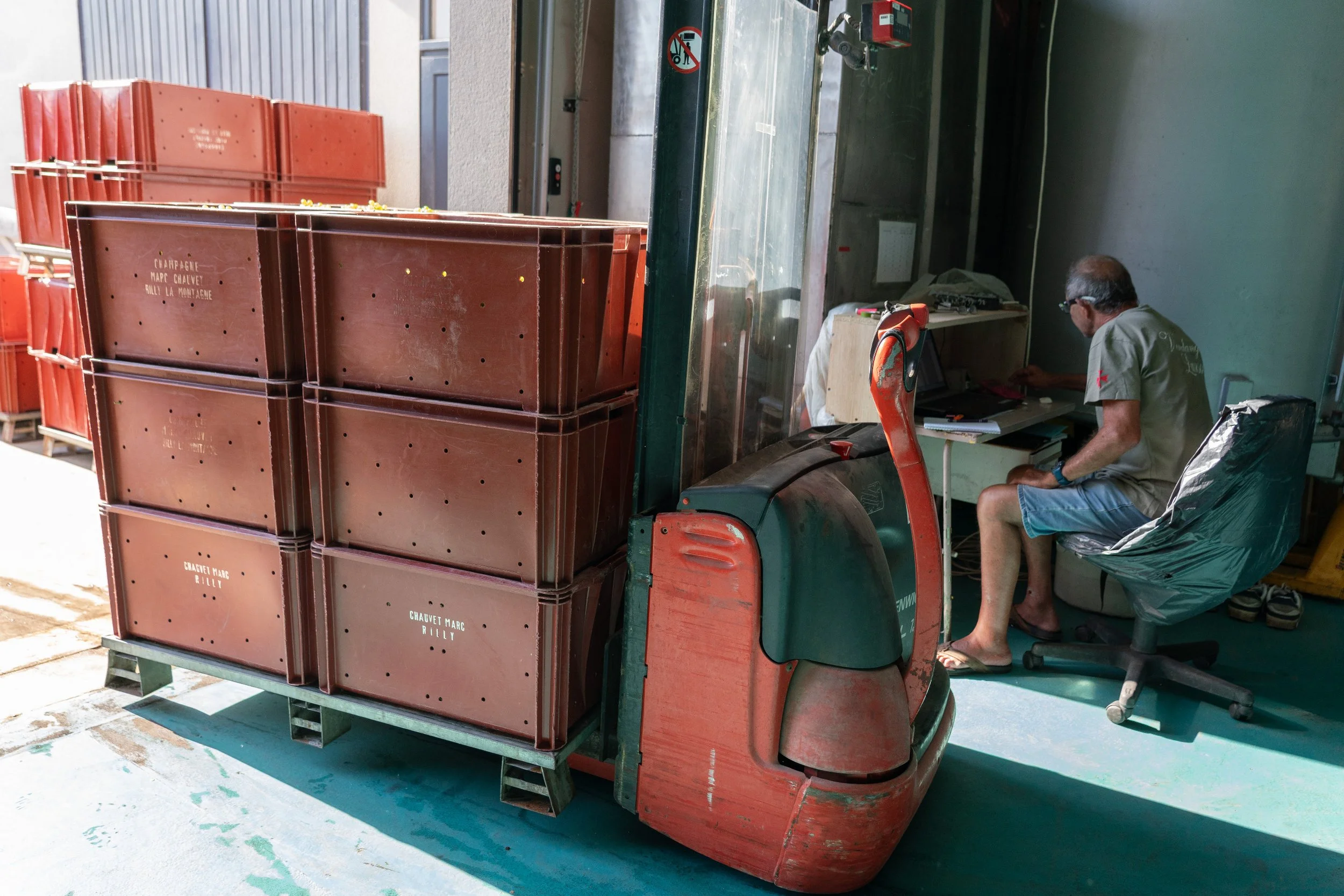
I was on the manual forklift one day too, moving things around, and got told to hurry up because I was a bit slow. Jules was really good about it and helped me through, though I also just didn't want to make a mistake.
By day six the whole village had changed. All the other wineries around Rilly-la-Montagne started their own harvest, so what was a quiet little village suddenly had hustle and bustle everywhere. Have I mentioned how beautiful Rilly-la-Montagne is, I'm so lucky to be here, not even in my nicest clothes, in my grubbiest vendange winery clothes, and it is still magical. Got turned away by Philippe from doing a sabrage the other day because I was too grubby, but also we were very busy receiving grapes and making juice. That's vintage though, and I love it. Nobody cares.
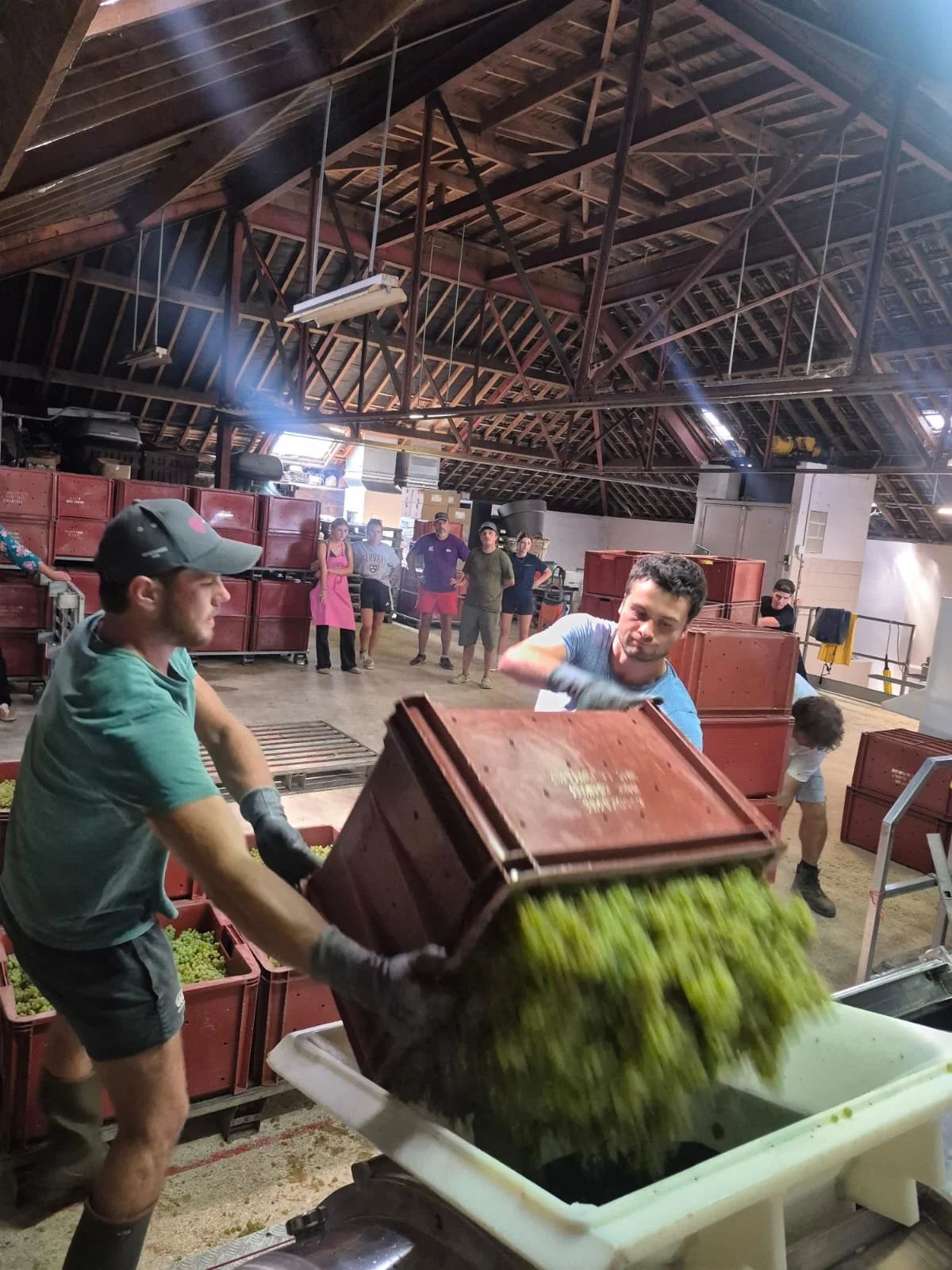
Charging the press was a highlight too. Every bin goes in by hand, lifting 40kg bins and throwing the berries in as a pair. Not glamorous at all, but there's real pride in it, especially with the speed it needs to be done at. First juice, second juice, all of it going in by hand.
Sayings of the day
"Wine starts in the vineyard. This is something people often forget."
"Baguette, champagne and cheese, you couldn't get any more French than that." — Max, one of the pickers, right as we were finishing dinner
"When the two presses are full, it's always champagne time. Eleven thirty, it's champagne time." — Jules, just as I'd made myself a coffee after loading the presses